
"Ethiopia coffee classification"
900 article(s) found

The name of Ninety plus90+Kemgin wild ginger flower derives from its unique flavor classification and password classification.
Exchange of professional baristas follow the coffee workshop (Wechat official account cafe_style) Kemgin (wild ginger flower) the origin of the name: coffee from Nekempte (Nakentup town) in western Ethiopia, it is characterized by lively and clean, with slight flavors of fruit, citrus and ginger. The Kem in the name of Kemgin is quoted from the Nakentep region, and Gin is Ginger (
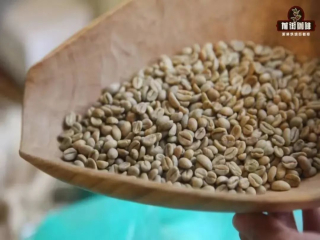
Introduction of coffee bean classification system in various countries in detail the coffee bean classification standards of Ethiopia and Kenya
A friend asked Qianjie, "Why are some coffee beans marked with AA, some with G1, and some with SHB? these letters seem irregular. How do I know which grade is high and which is low?" Why do you need grading? When we walk into the fruit store, we often see that the same fruit can be divided.
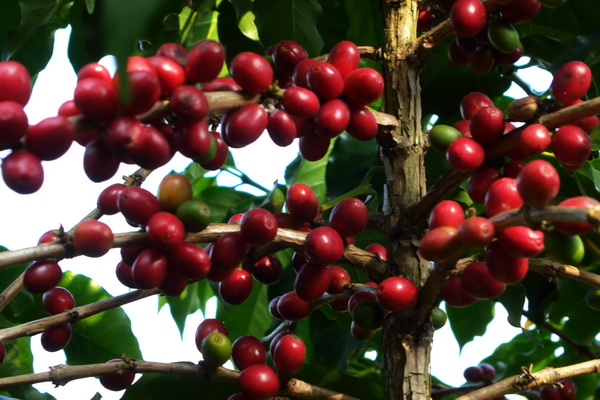
Ethiopia 90+levelup Deraella Flower language Sunshine Sidamo 90 plus boutique coffee beans
Ninety plus unique flavor classification, password classification: Ninety Plus coffee is classified according to the intensity of fruit flavor, which is different from the traditional classification of washing (Washed), Honey (honey) and Natural (sun). It is also W2, H2 and N2, but the fruit flavor grades created by different treatments are different, so you may drink it in the classification of honey flavor H2.

Introduction to the Origin of Woka-Guodingding Village in Ethiopia the common classification of raw beans in Ethiopia
For the exchange of professional baristas, please pay attention to the origin of the Gutiti village of the coffee workshop (Wechat official account cafe_style): nothing in recent years is the most anticipated Ethiopian coffee by Taiwan's boutique coffee lovers than the sun-tanned Yegashev in the Waka area. There are several common categories in Ethiopia at present: (1) four major producing areas divided by ECX export regulations

90 + company raw bean system classification, flavor classification, password classification?
90 + company raw bean system classification, flavor classification, password classification? Ninety plus is an internationally renowned coffee bean production and sales company, and is famous for providing rare and unique raw coffee beans. In addition to working directly with coffee farmers, there is a 134-hectare coffee farm in Panama. Since its establishment, 2007 has reached customers in more than 40 countries around the world.

Ethiopian Coffee | Flavor characteristics and Classification of Ethiopian Yega Snow Coffee
For more information on coffee beans, please follow the coffee workshop (Wechat official account cafe_style) [product name]: Ethiopia Yirgacheffe, Ethiopia [quality rating]: WP Grade 2 [roasting degree]: recommended moderate roasting degree (Medium Roast or City Roast) [Grade]: excellent [granules]:
Classification of coffee beans in Ethiopia
The stability of Ethiopian water-washed beans is much better than that of sun-dried beans, whose flavor fluctuates greatly every year, so be sure to test it several times before buying in large quantities. If you buy good sun-dried beans, their flavor is much deeper than water-washed beans, but if you buy improperly handled sun-dried beans, it will certainly make people speechless, which is the wish of many coffee fans. How many Arabica subspecies are there in Ethiopia?

Classification Standard of Coffee beans-Food Safety Standard
Classification Standard of Coffee beans-Food Safety Standard Coffee Bean Classification and Taste detailed explanation of the origin of Yirgacheffe coffee beans: Yega Xuefei coffee, Ethiopia, although petite, it is gentle and delicate, sweet and lovely. As the hometown of coffee, Ethiopia has thousands of years of planting history and processing tradition to create high-quality washed Arabica beans. Shallow baking has

Introduction of flavor description and taste treatment method for classification characteristics of Ethiopian coffee beans
Ethiopian coffee bean species classification characteristics flavor description taste treatment method to introduce how many Arabica subspecies there are in Ethiopia, even the official research unit of Ethiopia does not know. The coffee cooperatives in this mountain are certainly different from those planted in another mountain, and even small farmers in the same region grow different varieties of coffee. Some people estimate that Ethiopian coffee arrives

Introduction to variety classification of Ethiopian coffee beans by description of taste and flavor
Ethiopian coffee classification Ethiopian beans are easy to recognize, mostly small and pointed long beans, known as longberry, and often mixed with small oval-shaped short beans, called shortberry, look uneven in size and appearance. The commercial bulk beans of Grade4 or Grade5 are mostly mixed with hundreds of different crystal seeds in different producing areas, so the bean phase
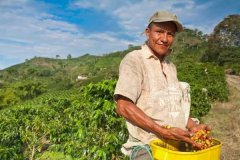
What does the classification of Ethiopian coffee mean by washing and tanning G1?
Ethiopian coffee beans are divided into five levels. The first and second stages are washed beans. Washed beans Grade1 represents 3 defective beans per 300g raw beans, and Grade2 represents 4 defective beans per 300g. Gradc1 grade water washed beans are very rare and are generally difficult to buy. At present, all the washed beans exported from Ethiopia are Grade2 grade. The quality of sun-dried beans is Grade3 and Grade4 in order.

Classification and taste of coffee beans
The origin of Yirgacheffe coffee beans: although it is petite, it is gentle and delicate, sweet and lovely. As the hometown of coffee, thousands of years of planting history and processing tradition in Ethiopia have created high-quality washed Arabica beans. Light baking has unique sweet aromas of lemon, flower and honey, soft acidity and citrus.

What does coffee bean G1 mean? what is the standard classification of Essex coffee?
Professional coffee knowledge exchange more coffee bean information please follow the coffee workshop (Wechat official account cafe_style) front street-Ethiopia grading system introduction Ethiopia is known as the birthplace of coffee, Ethiopia as a hot coffee exporter, in order to be able to uniformly distinguish many producing areas according to certain factors, to ensure a unified standard of import and export, so E
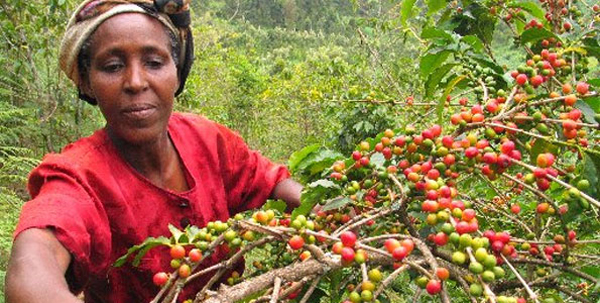
About Ethiopia coffee beans grade analysis to understand the quality of coffee beans classification
Ethiopian coffee beans are divided into five grades. The first and second stages are water-washed beans. Grade1 means 0~3 defective beans per 300 g of raw beans;Grade2 means 4~12 defective beans per 300 g. Grade 1 washed beans are extremely rare and generally difficult to buy. At present, all washed beans exported from Ethiopia are Grade2. The quality of sun-dried beans is Grade3 and Grade4 in sequence.

90+ Full Upgrade Ethiopia NistuRuz Nisulu Zhu/Rosemary Clear Wash Ethiopia
Ninetyplus is an internationally renowned coffee bean production and marketing company and is known worldwide for providing rare and unique green coffee beans. JosephBrodsky officially founded Ninetyplus in 2007, and since then, we can see Ninetyplus winning traces in coffee competitions large and small around the world.
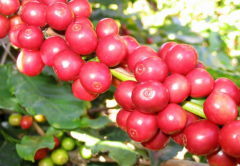
The importance of coffee classification and grading How is Ethiopian coffee grading divided
Ethiopia is the first country to discover coffee. It is the most important producing country in terms of coffee quality and yield. The annual production quantity is about 350,000 tons. Ethiopia is famous all over the world for its mocha beans blown by the sea. Yirgacheff is the Arabica produced by Sidamo in the south at an altitude of 1700~2100 meters.
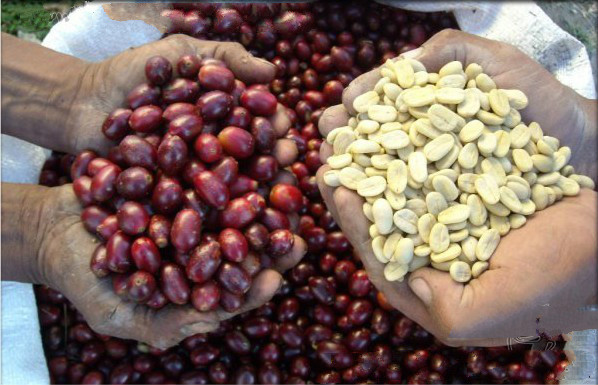
Ethiopia 90 + full upgrade Ethiopia NistuRuz Nisuluju / Rosemary Qingfu Water washing
Ninety plus is an internationally renowned coffee bean production and sales company, and is famous for providing rare and unique raw coffee beans. Joseph Brodsky officially founded Ninety plus in 2007, and since the next year, we can see traces of Ninety plus winning awards in large and small coffee competitions around the world. WBC World Coffee University in 2013.

How to classify coffee beans A brief introduction to the classification standard of Ethiopian defective beans
Professional coffee knowledge exchange more coffee bean information please follow the coffee workshop (Wechat official account cafe_style) front street-defective bean classification system this is the earliest classification method, the main representative countries that use the defective bean proportion method are Ethiopia, Indonesia and so on. Indonesian beans are mainly divided into six grades, namely G1~G6. Ethiopian coffee beans are graded with 300g coffee beans.

Classification and classification of coffee beans | meaning of the name of coffee
For more information on coffee beans, please follow the coffee workshop (Wechat official account cafe_style)-- how coffee is named-- G1, G2, G3, G4, AA, PB, SHB, SHG, EP, PLANTATION. Have you ever wondered what the difference is? Are you curious about what they are referring to? Today we are going to start talking about what we usually buy

What is the classification and naming of coffee beans? What is the name of the coffee bean?
Professional coffee knowledge exchange more coffee bean information please follow the coffee workshop (Wechat official account cafe_style) coffee bean grade classification and naming method? What is the name of the coffee bean? The name and specification indicate the country name and place name: indicate the country and region of origin of coffee. For example, it is marked Ethiopia. Hara, on the other hand, said it was made in Ethiopia.